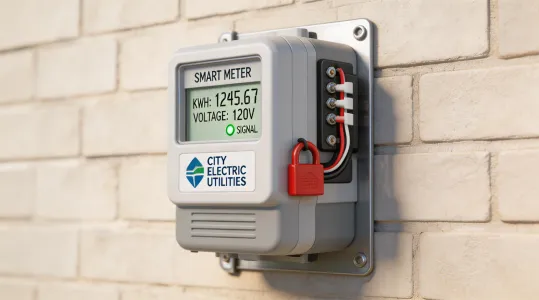
Smart Metering & Utilities
NB-IoT and Cat-M1 modules with PSM (Power Saving Mode) and eDRX (extended Discontinuous Reception) support achieve 10+ year battery life at a typical reporting interval of 15 minutes, validated through current profiling tests at our Shanghai lab using Keysight N6705C power analyzers. Pre-certified on major utility carrier networks in North America, Europe, and Asia-Pacific.
Deployment example: A European water utility deployed 45,000 NB-IoT-connected meters across rural Germany in 2023, replacing manual quarterly reads with hourly automated data collection. The BG95-M3 modules maintained 99.7% uptime over 14 months, with average current consumption measured at 8.2 μA in PSM mode. The utility reduced meter-reading labor costs by 62% in the first year.
Recommended modules: NB-IoT (BG95 series), Cat-M1 (BG96 series)
Download Metering Guide
Fleet Management & Asset Tracking
LTE Cat 1 + GNSS combo modules provide simultaneous cellular connectivity and multi-constellation positioning (GPS + GLONASS + BeiDou + Galileo) for real-time vehicle tracking with < 2.5 m CEP positioning accuracy. Supports geofencing, driver behavior analytics, and cold chain monitoring through integrated ADC and I2C sensor interfaces.
Deployment example: A Latin American logistics company integrated SC20-series modules into 12,000 delivery vehicles across Brazil and Mexico in 2022. The dual LTE + GNSS architecture replaced separate modem and GPS units, reducing per-vehicle hardware cost by $18 and cutting installation time from 90 minutes to 35 minutes. After 18 months of operation, the fleet recorded a 23% reduction in fuel consumption through route optimization driven by real-time positioning data.
Recommended modules: LTE Cat 1 + GNSS (LC29H, SC20 series)
See Tracking Solutions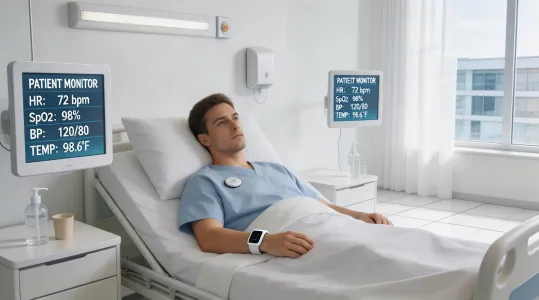
Healthcare & Medical Devices
Wi-Fi 6 and BLE 5.2 modules enable reliable, low-latency connectivity for patient monitoring devices, infusion pumps, and medical asset tracking. Designed for regulatory environments with strict EMC requirements per IEC 60601-1-2 and operating temperature range of -40°C to +85°C.
Known limitation: BLE 5.2 modules have a practical indoor range of 30-50 meters in hospital environments due to signal attenuation from metal-reinforced walls and medical equipment interference. Deployments requiring coverage beyond a single ward should plan for BLE gateway infrastructure at 25-meter intervals.
Recommended modules: Wi-Fi 6 (FC41D), BLE 5.2 (BG77 series)
Healthcare Guide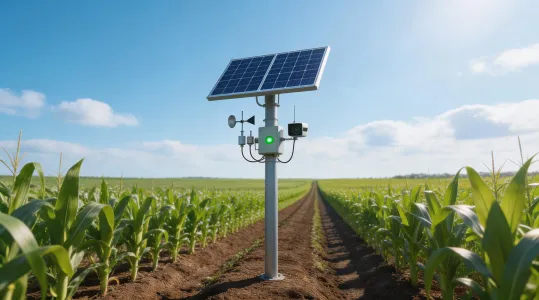
Smart Agriculture
LoRa and LPWA modules deliver long-range, battery-powered connectivity for soil moisture sensors, weather stations, and irrigation controllers in remote field deployments where cellular coverage may be limited.
Recommended modules: LoRaWAN (LoRa series), NB-IoT (BG95)
Agriculture Solutions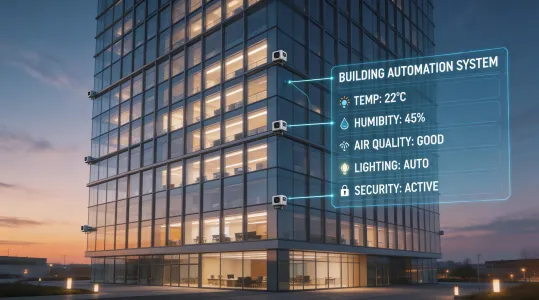
Smart Buildings & BMS
Wi-Fi, BLE, and Zigbee modules enable HVAC control, lighting automation, occupancy sensing, and energy monitoring across commercial and industrial buildings. Our gateway modules support multi-protocol bridging.
Recommended modules: Wi-Fi (FC41D), BLE Mesh, Zigbee (QZ-ZB series)
Building IoT Guide
Retail & Point of Sale
4G LTE and 5G modules power mobile POS terminals, digital signage, kiosks, and vending machines. Built-in eSIM support enables seamless multi-carrier roaming for retail chains operating across regions.
Recommended modules: LTE Cat 4 (EC25 series), 5G (RM50x series)
Retail Connectivity Guide